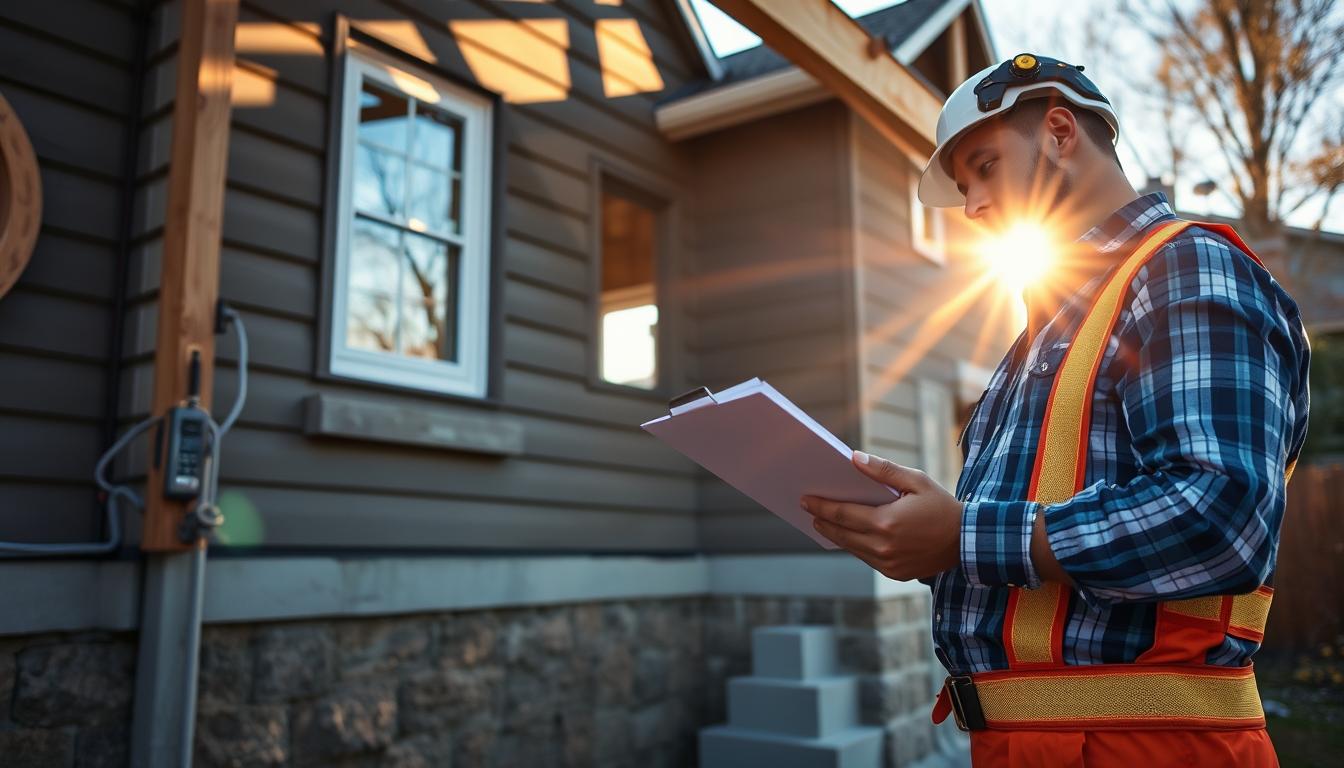
Buying a home is a big deal, and checking its structural integrity is key. A pre-purchase structural inspection can spot problems early. This saves you from unexpected costs later.
In 2025, buying a home is still a complex process. You need to know the property’s condition. A certified structural inspector can give you important information.
A home structural inspection checks the property’s state, finding risks and repairs needed. Knowing the home structural inspection cost in 2025 helps with budgeting. It’s a step that ensures your peace of mind and protects your investment.
The Critical Importance of Structural Inspections in 2025’s Housing Market
As we explore the 2025 housing market, it’s clear that structural inspections are key. The market is seeing more competition and higher prices. This makes it crucial for buyers to invest wisely.
Current Housing Market Trends Affecting Structural Integrity
The 2025 market is seeing a rise in older homes being fixed up and sold. This trend offers chances for buyers but also raises concerns about structural integrity. Many of these homes have been altered without proper checks, which could harm their structure.
Why Skipping a Structural Inspection Could Cost You Thousands
Choosing to skip a structural inspection to save money can end up costing a lot. Hidden structural problems can lead to expensive fixes, possibly costing thousands of dollars. For example, a small foundation crack can turn into a big problem if not fixed quickly.
In summary, as the housing market changes in 2025, structural inspections are more important than ever. Knowing the market trends and the risks of skipping an inspection helps buyers make better choices. This way, they can avoid unexpected expenses in the future.
What a Professional Structural Inspection Service Entails
A thorough structural inspection is more than just a precaution; it’s a necessity for informed home buying decisions. When you’re in the process of purchasing a home, understanding the structural integrity of the property is crucial.
Core Components of a Quality Structural Assessment
A quality structural assessment involves a comprehensive evaluation of the home’s foundation, framing, and other critical structural elements. This includes examining the condition of the foundation, assessing the integrity of load-bearing walls, and inspecting the roof and attic for any signs of damage or wear.
Key components of a structural assessment include:
- Foundation inspection
- Framing and load-bearing element evaluation
- Roof and attic analysis
When to Schedule Your Inspection in the Home Buying Process
It’s recommended to schedule a structural inspection after the initial home inspection but before finalizing your purchase. This timing allows you to negotiate or reconsider your offer based on the findings.
| Inspection Stage | Purpose |
|---|---|
| Initial Home Inspection | General overview of the property’s condition |
| Structural Inspection | In-depth analysis of the home’s structural integrity |
What’s Included in a Comprehensive Structural Home Inspection
A detailed structural home inspection looks at many important parts. These parts together show how well the property stands up.
Foundation Assessment Components
Checking the foundation is key to knowing if a home is stable. Inspectors look for cracks, settlement issues, and moisture problems. They also check the foundation type, its state, and any future issues.
Framing and Load-Bearing Elements Evaluation
The framing and load-bearing parts are crucial for a home’s strength. Inspectors search for defects in the framing, like bad notching, cuts in important spots, and water damage. They also check the load-bearing walls and beams.
Roof and Attic Structural Analysis
The roof and attic need a close look. Inspectors check the roofing materials, roof structure, and any damage or stress. They also look at the attic for good ventilation, insulation, and no water leaks.
Exterior Wall Inspection Points
Exterior walls are also important. Inspectors search for damage, wear, or bad construction. This includes siding, window, and door issues.
By looking at these key areas, a full structural home inspection gives buyers a clear view of the property’s state. This helps them make smart choices about buying.
Key Structural Red Flags Inspectors Look For
Knowing what inspectors look for is key for homebuyers. They check the home’s structure for problems. These can be expensive to fix or even dangerous.
Foundation Warning Signs: Cracks, Settlement, and Moisture Issues
Inspectors search for foundation problems like cracks and uneven floors. They also look for moisture issues. Foundation cracks are a big warning sign.
| Warning Sign | Description | Potential Implication |
|---|---|---|
| Cracks in Walls | Visible cracks, especially near windows and doors | Foundation settlement or structural stress |
| Uneven Floors | Floors that are not level | Foundation settlement or rot in floor joists |
| Moisture Issues | Water damage or high humidity near foundation | Potential for mold, rot, or structural weakening |
Framing Defects and Structural Modifications
Framing defects can harm a home’s strength. Inspectors look for unapproved structural modifications. They also check for framing defects like notches.
- Unapproved changes to the original structure
- Signs of water damage or rot in the framing
- Inadequate support for load-bearing elements
Signs of Water Damage and Its Structural Implications
Water damage can seriously harm a home’s structure. It can cause rotting wood and weaken foundations. Inspectors search for leaks and water stains.
Water damage can be very expensive to fix. It’s crucial for buyers to know about any water issues before buying.
Structural Inspection Costs in 2025: What to Budget
Thinking about buying a home in 2025? Structural inspection costs are a big deal. It’s important to know what you’ll spend on these checks.
Average Cost Breakdown by Region
Prices for structural inspections vary by area. This is because of different homes, rules, and inspectors. Generally, you might pay $500 to $2,000 for a full check.
| Region | Average Cost |
|---|---|
| Northeast | $800 – $1,500 |
| South | $600 – $1,200 |
| West Coast | $1,000 – $2,000 |
Additional Fees for Specialized Assessments
Some extra costs might pop up for special checks. Like foundation or termite damage tests. These can add $200 to $500 to your bill.
Cost vs. Value: The Financial Case for Structural Inspections
At first, structural inspections might seem pricey. But think about the savings. Spotting problems early can save you thousands on repairs later.
Getting a structural inspection is a smart move. It helps find issues before they get worse. This can save you money in the long run.
General Home Inspection vs. Structural Inspection: Understanding the Differences
Many homebuyers mix up general home inspections with structural inspections. These services have different roles in the home buying journey. They look at different parts of a property’s state.
Scope and Depth Comparison
A general home inspection gives a wide view of a property’s condition. It checks things like electrical, plumbing, HVAC, and roofing. On the other hand, a structural inspection digs into the property’s structure. It looks at the foundation, framing, and walls that hold up the house.
Key differences in scope:
- General home inspection: Covers a wide range of systems and components
- Structural inspection: Focuses specifically on structural elements
| Inspection Type | Scope | Focus |
|---|---|---|
| General Home Inspection | Broad overview of property condition | Systems and components |
| Structural Inspection | In-depth analysis of structural integrity | Foundation, framing, load-bearing walls |
When You Need Both Services
Often, getting both a general home inspection and a structural inspection is wise. This is especially true for older homes or those that have been greatly changed.
Professional Qualifications: Home Inspectors vs. Structural Engineers
Knowing who does what is key. General home inspectors are certified by groups like the American Society of Home Inspectors (ASHI). Structural engineers, however, have a degree in engineering and might be licensed by their state.
How to Select a Qualified Structural Inspector in Your Area
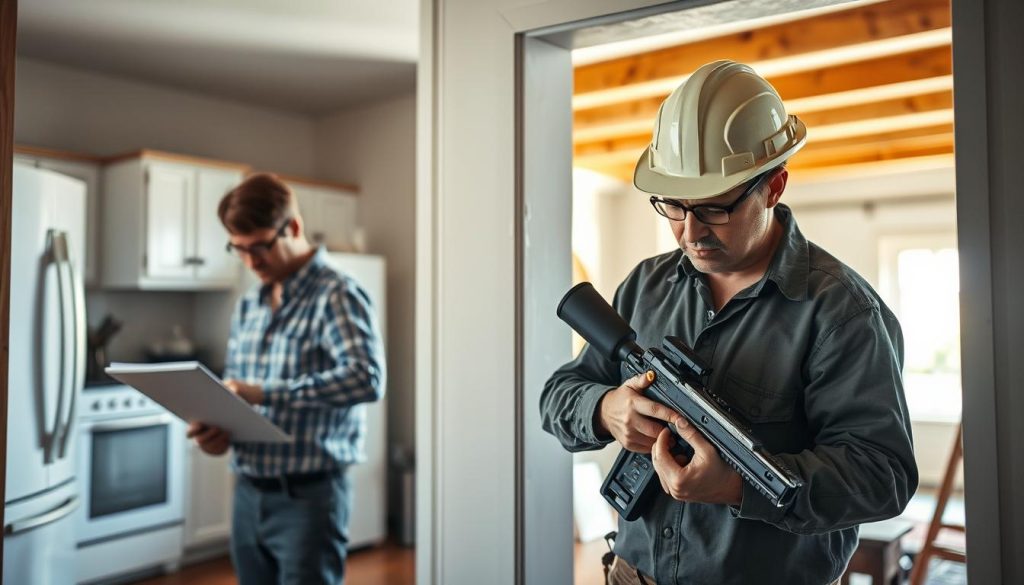
Finding the right structural inspector is crucial. A good inspector makes a big difference. Look for certain qualities to ensure you get a qualified expert.
Essential Certifications and Credentials to Look For
A certified home inspector should have the right certifications. Check if they have credentials from groups like the American Society of Home Inspectors (ASHI) or the International Association of Certified Home Inspectors (InterNACHI).
Key Certifications:
- ASHI Certified Home Inspector
- InterNACHI Certified Home Inspector
- State-specific licenses (where applicable)
Questions to Ask Before Hiring
It’s important to ask the right questions before hiring. This will help you understand their experience and how they do inspections.
Important Questions:
- What experience do you have with structural inspections?
- Can you provide references or examples of previous inspections?
- What is included in your inspection report?
Red Flags When Interviewing Potential Inspectors
Watch out for these red flags:
- Inspectors who won’t give references or examples
- Those with bad online reviews or ratings
- Inspectors without the needed certifications or licenses
| Criteria | What to Look For |
|---|---|
| Certifications | ASHI, InterNACHI, state-specific licenses |
| Experience | Previous structural inspection experience |
| References | Positive reviews, client references |
The Most Common Structural Issues Discovered During Pre-Purchase Inspections
A detailed structural check before buying a home can reveal hidden problems. These issues might cost a lot to fix later. Knowing about these common problems helps buyers make smart choices and might lead to better deals.
Foundation Problems: Types and Severity Levels
Foundation issues are very serious and can be found during a pre-purchase check. They range from small wall cracks to big settlement problems. Types of foundation problems include:
- Cracks in walls and floors
- Settlement issues due to soil movement
- Water damage causing erosion or weakening of the foundation
Framing Deficiencies and Their Implications
The frame of a house is its skeleton, supporting everything else. Problems with the frame can cause big issues, like uneven floors and doors that don’t fit right. In the worst cases, parts of the house might collapse. Inspectors look for signs of framing deficiencies such as:
- Notches or cuts in framing members that compromise their integrity
- Inadequate support or spacing of framing elements
- Signs of water damage or pest infestation affecting the frame
Water-Related Structural Damage Patterns
Water getting into a house is a common problem that can cause a lot of damage. Inspectors check for signs of water damage, like:
- Stains or discoloration on ceilings and walls
- Warped or rotting wood
- Mold or mildew growth
Finding these problems early can stop more expensive fixes later.
Improper Renovations That Compromise Structural Integrity
Improper renovations can weaken a house’s structure. Inspectors look for signs of improper renovations, such as:
- Removal or alteration of load-bearing walls without proper support
- Addition of weighty features without ensuring the structure can support them
- Use of inappropriate materials or techniques during renovation
Knowing about these issues helps buyers understand the risks of a property. This knowledge helps them make better choices when buying.
Leveraging Your Structural Inspection Report in Purchase Negotiations
With a detailed structural inspection report, homebuyers can confidently negotiate and save thousands. The secret to success is understanding the report and using it wisely.
Understanding Report Terminology and Recommendations
A structural inspection report is full of technical terms and advice. It’s important to know the language to understand the issues. Focus on the report’s summary and recommendations for a quick overview of the property’s state and needed fixes.
Calculating Repair Costs for Negotiation Leverage
To leverage the report, estimate the cost of suggested repairs. Get quotes from licensed contractors for the work. Having exact numbers will boost your negotiation power. For example, if the report suggests fixing a big foundation problem, a repair quote can help you ask for a lower price.

When to Request Seller Repairs vs. Price Reductions
Choosing between asking for repairs or a lower price depends on the issue’s severity and the seller’s willingness. For small problems, a price cut might be better. But for major structural issues, asking the seller to fix it ensures quality work.
By grasping your structural inspection report and using it smartly, you can get a fair deal. This could save you thousands before you finalize the purchase.
Should You Purchase a Home with Identified Structural Issues?
Buying a home with structural problems needs careful thought. You must consider the severity of the issues, the cost of repairs, and the risks involved.
Evaluating Severity: Minor vs. Major Structural Concerns
First, assess the severity of the structural issues. Small cracks or slight foundation settlement are often easy and cheap to fix. But, major problems like significant foundation damage or water damage can be very expensive and complex.
Key factors to consider when evaluating severity include:
- The extent of the damage
- The potential for future problems
- The impact on the home’s overall safety and value
The Cost-Benefit Analysis of Structural Repairs
Doing a cost-benefit analysis is key. You need to estimate repair costs, compare them to the home’s price, and think about the return on investment. A detailed analysis helps buyers make informed choices.
| Repair Type | Estimated Cost | Impact on Home Value |
|---|---|---|
| Foundation Repair | $10,000 – $50,000 | Significant increase |
| Roof Replacement | $8,000 – $30,000 | Moderate increase |
| Water Damage Restoration | $5,000 – $20,000 | Variable impact |
When Walking Away Is the Wisest Decision
In some cases, it’s best to walk away from a home with major structural issues. This might happen if repair costs are too high or if the problems pose safety risks.
Deciding to buy a home with structural issues should be based on a detailed evaluation, cost analysis, and risk assessment.
2025 Insurance Requirements and Legal Considerations for Structural Inspections
In 2025, structural inspections are key for more than just finding problems. They also help navigate insurance and legal issues. Homebuyers need to understand these to avoid unexpected costs.
Current Mortgage Lender Requirements
Mortgage lenders in 2025 often ask for structural inspections. This is to lower risk, especially in disaster-prone areas or old homes. Lenders may demand a structural inspection report before approving a mortgage. Buyers should include this cost in their budget.
Insurance Implications of Structural Issues
Structural problems can raise homeowners’ insurance costs. In 2025, insurance companies will look closely at properties for risks. Buyers should know that hidden structural issues can lead to higher premiums or no coverage at all.
Legal Protections for Buyers
Buyers have legal protections against structural defects, but these differ by state. In 2025, some places are making laws stricter to hold sellers accountable. Buyers should learn about local laws to protect themselves.
Conclusion: Protecting Your Investment Through Proper Structural Assessment
A proper structural assessment is key when buying a home in 2025. Home inspections in 2025 are very important. They help find problems before you buy. By getting a detailed structural integrity inspection, you’re protecting your investment.
A good structural inspection can find hidden issues. This info is very useful. It helps you make a smart choice about your purchase. You might negotiate the price or ask for repairs, saving you from future costs.
In today’s housing market, a proper structural assessment is very valuable. It’s a must in the home buying process. It gives you the knowledge to keep your investment safe and your home secure for many years.