Homeowners often wonder if they should try repairing air conditioning themselves or call a pro. Some jobs are easy to do at home, but others need expert skills to avoid damage and safety issues.
Tasks like changing filters, cleaning vents, and adjusting thermostat settings are simple and can be done by yourself, says Aire Serv. But, complex problems like refrigerant levels and electrical parts should be left to the pros.
Knowing the good and bad of DIY HVAC repairs versus getting a professional can guide homeowners. It helps ensure their AC units are well taken care of.
Common Issues You Can Fix When Repairing Air Conditioning
Many problems related to repairing air conditioning can be solved at home with basic DIY skills. Knowing how to handle common issues when repairing air conditioning can save you money. It also keeps your AC unit running well.
Clogged Air Filters and How to Replace Them
Clogged air filters can really hurt your AC’s performance. Signs of a clogged filter include less airflow, higher energy bills, and bad air quality.
Signs of a Clogged Filter
- Reduced airflow from vents
- Increased energy consumption
- Poor indoor air quality
Choosing the Right Replacement Filter
To replace your air filter, first find the right filter for your AC. Check your unit’s manual or the manufacturer’s website for details.
Thermostat Problems and Simple Solutions
Thermostat issues often arise when repairing air conditioning, and they can make your AC run inefficiently. Calibration techniques and battery replacement are easy fixes for common problems.
Calibration Techniques
Make sure your thermostat is set up right. Check its placement and keep it away from heat sources.
Battery Replacement Guide
If your thermostat runs on batteries, change them every year or when needed.
Drainage Issues and Unclogging Methods
One of the common problems people face while repairing air conditioning is clogged drainage, which can lead to water damage. Locating and clearing the condensate drain is key.
Locating and Clearing the Condensate Drain
Find the condensate drain line, usually attached to your AC unit. Clear any blockages with a wet/dry vacuum or pipe cleaner.
Dirty Coils and Proper Cleaning Techniques
When repairing air conditioning, cleaning dirty coils is vital to improve efficiency and avoid long-term damage. Safe cleaning solutions are important to avoid damaging the coils.
Safe Cleaning Solutions to Use
Use a mix of water and mild detergent or a coil cleaning solution. Stay away from harsh chemicals that can harm the coils.
Essential Tools and Safety Gear for Repairing Air Conditioning Yourself
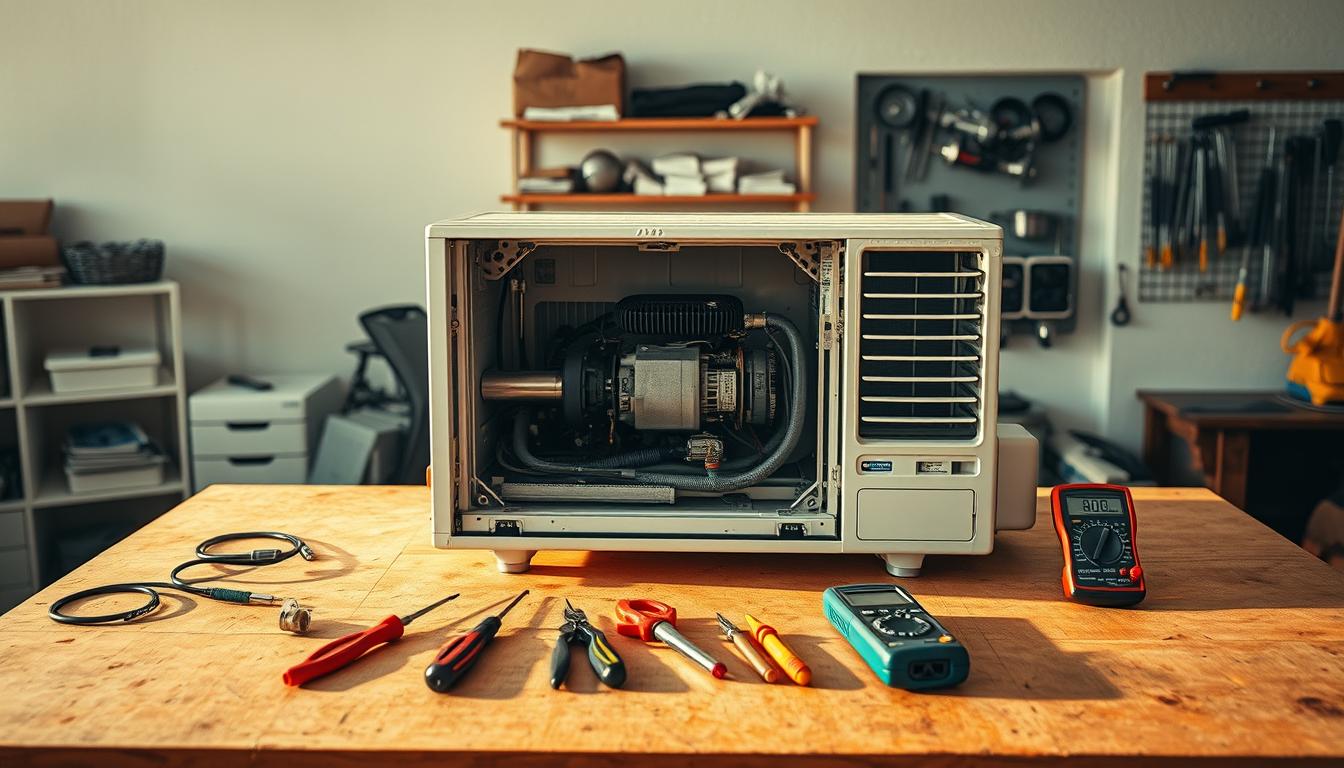
If you’re repairing air conditioning at home, using the correct tools and safety gear is essential for a safe and successful job. You need the right equipment to do the job safely and well.
Basic Tool Kit for AC Maintenance
A basic tool kit is a must for DIY air conditioning repair. It should have all the essentials for keeping and fixing the AC unit.
Must-Have Screwdrivers and Wrenches
Screwdrivers and wrenches are very important. They help with tasks like removing panels and tightening loose parts.
Multimeters and Voltage Testers
Multimeters and voltage testers are key for finding electrical problems in the AC unit. They make sure the electrical parts work right and safely.
Safety Equipment You Shouldn’t Skip
Safety equipment is crucial for keeping you safe during DIY repairs.
Gloves and Eye Protection
Gloves and eye protection protect you from sharp edges, electrical parts, and debris.
Proper Ventilation Requirements
Having proper ventilation is important when working with air conditioning systems. It keeps you from breathing in harmful fumes or particles.
Specialized Tools Worth Investing In
While a basic tool kit covers most tasks, specialized tools can help with specific repairs.
Fin Combs and Coil Cleaners
Fin combs and coil cleaners help clean and keep the condenser and evaporator coils working well. This improves the AC unit’s efficiency.
Refrigerant Gauges (For Qualified DIYers Only)
Refrigerant gauges are for checking refrigerant levels in the AC system. But, working with refrigerants needs special training and certification.
| Tool/Type | Description | Importance Level |
|---|---|---|
| Screwdrivers and Wrenches | Used for removing panels and tightening connections | High |
| Multimeters and Voltage Testers | Diagnose electrical issues and ensure component safety | High |
| Gloves and Eye Protection | Protect against sharp edges and debris | High |
| Fin Combs and Coil Cleaners | Clean and maintain condenser and evaporator coils | Medium |
| Refrigerant Gauges | Check refrigerant levels (for qualified DIYers) | Medium |
Step-by-Step Guide for Repairing Air Conditioning Problems
Effective repairing of air conditioning begins with checking key components like power supply, thermostat settings, and air filters. By following a step-by-step approach, you can find and possibly fix common air conditioner problems.
Initial Power and Thermostat Checks
The first step is to make sure your AC unit has power and the thermostat is set right.
Circuit Breaker Inspection
Check your circuit breaker to see if it’s tripped. A tripped breaker can stop your AC from working.
Thermostat Setting Verification
Make sure your thermostat is set to the right temperature and mode. Sometimes, just adjusting it is enough.
Inspecting Air Filters and Vents
Clogged air filters and blocked vents can make your AC less efficient.
Cleaning Return Air Grilles
Remove and clean the return air grilles to get rid of dust and debris.
Checking for Blocked Supply Vents
Ensure all supply vents are open and not blocked by furniture or other objects.
Examining the Condenser Unit Outside
The condenser unit is key for your AC’s operation. Make sure it’s clean and the fins are straight.
Clearing Debris Around the Unit
Remove leaves, dirt, or other debris that may have built up around the condenser unit.
Straightening Bent Fins
Use a fin comb to straighten any bent fins. This improves airflow and efficiency.
| Component | Check | Action |
|---|---|---|
| Circuit Breaker | Ensure it hasn’t tripped | Reset if necessary |
| Thermostat | Verify temperature and mode | Adjust settings |
| Air Filters | Check for clogs | Clean or replace |
Checking for Refrigerant Leaks Safely
While repairing air conditioning, any signs of refrigerant leaks should be taken seriously and handled by professionals.
Visual Inspection Methods
Look for signs of leaks, like oil stains or ice on the refrigerant lines.
Testing Electrical Components
Bad electrical parts can make your AC malfunction.
Capacitor and Contactor Checks
Check the capacitor and contactor for wear or damage. They might need a pro to test and replace.
Top 5 Risks of DIY Repairing Air Conditioning
DIY repairing air conditioning might seem like a good idea, but it comes with several serious risks. But, it comes with big risks that you should think about before you start.
Electrical Hazards and How to Avoid Them
One big risk is electrical hazards. Air conditioners use high voltage, which can be deadly if not handled right.
Proper Power Disconnection Procedures
To stay safe, always turn off the power to the AC unit before you start fixing it. This means switching off the breaker or removing the fuse.
Refrigerant Handling Dangers
Refrigerants in air conditioners can be harmful if not used correctly. They can cause skin problems, breathing issues, and other health issues.
Health Risks of Refrigerant Exposure
Being exposed to refrigerants can lead to health problems. This includes frostbite from touching the liquid and breathing in vapors.
Potential for Further System Damage
DIY repairs can sometimes make things worse. This can lead to more expensive fixes later on.
Common DIY Mistakes That Lead to Bigger Problems
Some common mistakes include not handling refrigerants right, making wrong electrical connections, and not finding the real problem. These can make things worse.
Personal Injury Risks
Fixing your AC yourself can also put you at risk of getting hurt. Sharp edges, moving parts, and heavy parts can all cause injuries.
Sharp Edges and Moving Parts
Air conditioners have sharp edges and moving parts. These can cause cuts, lacerations, and other injuries if not handled carefully.
Environmental Concerns with Improper Repairs
DIY repairs can also harm the environment. Improper handling of refrigerants can release harmful substances into the air.
EPA Regulations on Refrigerant Handling
The Environmental Protection Agency (EPA) has rules for handling refrigerants. DIY repairs must follow these rules to protect the environment.
| Risk | Description | Prevention |
|---|---|---|
| Electrical Hazards | Shock or electrocution from improper handling of electrical components. | Disconnect power before starting work. |
| Refrigerant Handling Dangers | Health risks from exposure to refrigerants. | Handle refrigerants with care, follow EPA guidelines. |
| System Damage | Further damage to the AC system from incorrect repairs. | Diagnose issues correctly, follow proper repair procedures. |
| Personal Injury | Injuries from sharp edges, moving parts, and heavy components. | Use protective gear, handle components with care. |
| Environmental Concerns | Release of harmful refrigerants into the atmosphere. | Comply with EPA regulations on refrigerant handling. |
When to Avoid DIY and Call a Professional for Repairing Air Conditioning
Knowing when to avoid DIY and leave repairing air conditioning to the experts is crucial for safety and proper function. DIY fixes can save money for small problems. But, some issues need a skilled technician for safe and right repairs.
Complex Electrical Issues
Complex electrical problems are a big reason to call a pro. AC units have electrical parts that can be dangerous if not fixed right.
Signs of Electrical Component Failure
Look out for signs like circuit breakers tripping often, burning smells, or worn electrical parts. If you see these, it’s safer to get a pro to avoid electrical dangers.
Refrigerant-Related Problems
Problems with refrigerants need a pro’s touch. Working with refrigerants needs special skills and tools.
Legal Restrictions on Refrigerant Handling
There are laws about handling refrigerants because of environmental reasons. Pros know how to handle refrigerants safely and legally.
Compressor and Motor Failures
Compressor and motor failures are big problems. They need a pro to diagnose and fix. These parts are key to your AC working right.
Identifying Compressor Issues
Finding compressor problems can be tough without the right training. Look for odd noises, less cooling, or if the compressor won’t start.
Strange Noises or Burning Smells
Odd noises or smells from your AC mean you need a pro. These signs often mean serious problems inside.
What Different AC Sounds Indicate
Different AC sounds mean different things. Grinding sounds might mean worn parts. Hissing could mean a refrigerant leak.
Complete System Failures
When DIY repairing air conditioning fails, it’s time to call a pro. This could be due to many reasons like electrical issues, compressor failure, or thermostat problems.
When Your AC Won’t Turn On At All
If your AC won’t start, first check the power and thermostat. If that doesn’t work, call a pro to find and fix the problem.
Cost Comparison: DIY AC Repair vs. Professional Service
Repairing your air conditioner can cost a lot, depending on if you do it yourself or hire a pro. Knowing these costs helps homeowners make smart choices about their AC care.
Average Costs of Common DIY Repairs
Fixing small problems yourself can save money. You’ll need to buy parts and tools.
Parts Pricing for Typical Replacements
Parts like air filters, thermostats, and capacitors are common. Their prices change based on brand and quality.
| Part | Average Cost |
|---|---|
| Air Filter | $10-$30 |
| Thermostat | $50-$150 |
| Capacitor | $20-$100 |
Tool Investment Considerations
Having the right tools can save money over time. Basic tools include screwdrivers, wrenches, and multimeters.
Read more: Vision Appliance Repair Company Review
Typical Professional Service Rates in 2025
Professional AC repair services charge for service calls, labor, and parts — see HomeAdvisor’s cost guide for detailed breakdowns.
Standard Service Call Fees
Service call fees range from $75 to $150, based on the company and location.
Labor Rates for Common Repairs
Labor rates differ by region and technician skill. They usually range from $50 to $150 per hour.
Long-Term Cost Considerations
Repairing air conditioning correctly can make it more energy-efficient. This can lower your utility bills.
Energy Efficiency Impact of Proper Repairs
Running your AC efficiently can cut energy use by up to 20%. This depends on the repair and your system.
Hidden Expenses in Both Approaches
Both DIY and professional repairs have hidden costs. DIY requires time, and wrong fixes can lead to more problems.
Time Investment for DIY Solutions
DIY repairs take time. You’ll need to research, buy parts, and do the work yourself.
How to Find and Vet Certified AC Repair Technicians
Finding the right certified AC repair technician is key to keeping your air conditioning system running smoothly. It’s important to choose someone who is both certified and experienced. This ensures a high-quality repair job.
Important Certifications to Look For
When looking for a certified AC repair technician, there are certain certifications to watch for — use the NATE technician locator to find one near you. These certifications show a technician’s level of skill and knowledge.
Reading Reviews and Checking References
Reading reviews and checking references is a great way to judge a technician’s reliability and work quality. This helps you make a well-informed decision.
Questions to Ask Before Hiring
Before hiring a certified AC repair technician, it’s important to ask the right questions. This ensures you’re making a smart choice.
Red Flags to Watch Out For
Knowing the red flags can help you avoid hiring the wrong technician. This includes those who are unqualified or dishonest.
| Certification | Description | Importance |
|---|---|---|
| NATE | Demonstrates technician competence in HVAC repair and installation | High |
| EPA608 | Required for handling refrigerants safely and environmentally | High |
| R-410A | Certification for handling modern refrigerants used in many AC systems | Medium |
Will DIY Repairs Affect Your AC Warranty or Insurance Coverage?
Knowing how DIY repairs affect AC warranties and insurance is key for homeowners. It helps avoid big financial problems.
Understanding Manufacturer Warranty Terms
Most AC makers offer warranties for parts and labor for a set time. But, these warranties often have rules. Breaking these rules with DIY repairs can void the warranty.
Home Insurance Implications
DIY repairs can also affect your home insurance. If a DIY fix damages the AC or your home, insurance might not cover it.
Documenting Your Repairs Properly
It’s vital to document DIY repairs well. This helps avoid warranty and insurance issues.
Legal Considerations for DIY Repairs
Homeowners need to know local laws and codes for HVAC repairs.
Local Code Requirements for HVAC Work
In some places, only licensed pros can do HVAC repairs. Ignoring this can lead to fines and legal trouble.
Maintenance Tips to Avoid Repairing Air Conditioning Frequently
To avoid expensive repairs, keeping your AC in good shape is key. Preventative maintenance can help you avoid repairing air conditioning frequently by keeping your unit in top shape.
Seasonal Maintenance Checklist
Seasonal checks on your AC can spot problems early. This way, you can fix them before they get worse.
Spring Preparation Tasks
- Inspect and clean the condenser coils.
- Check the refrigerant level and top it off if necessary.
- Ensure the thermostat is working correctly.
Fall Shutdown Procedures
- Turn off the power to the AC unit.
- Cover the outdoor unit to protect it from debris.
- Schedule a professional inspection if needed.
Monthly DIY Inspection Points
Doing DIY checks monthly can catch issues early. Focus on:
Filter Checks and Replacements
Check your air filters every month and replace them when needed. Dirty filters can make your AC work harder and raise your bills.
Condensate Drain Monitoring
Make sure the condensate drain isn’t blocked. A blocked drain can cause water damage and mold.
Professional Maintenance Worth Paying For
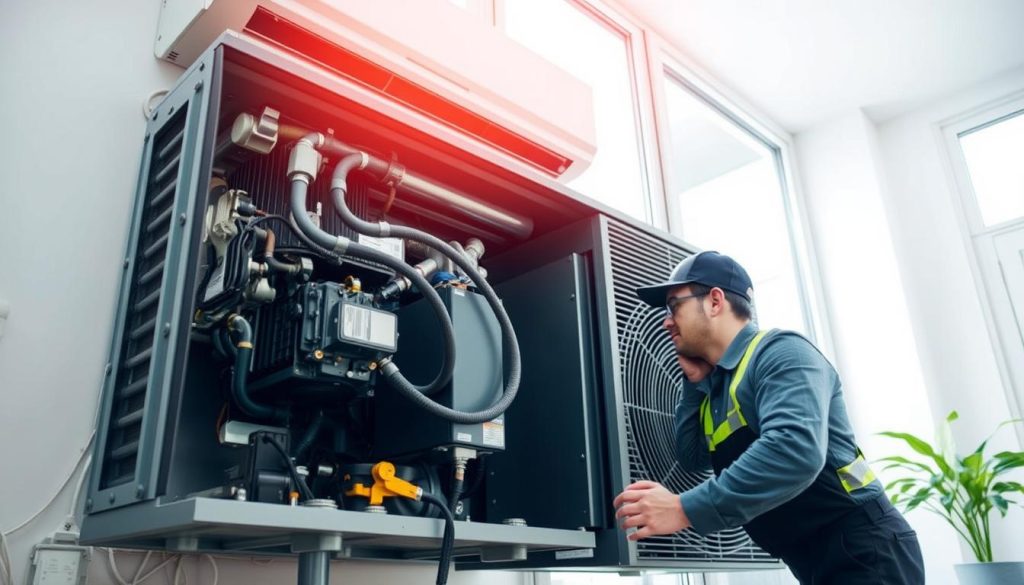
While DIY maintenance is important, some tasks need a pro.
Annual Tune-Up Benefits
A yearly tune-up by a pro keeps your AC running smoothly. It also finds problems before they cost a lot to fix.
Extending Your AC’s Lifespan Through Proper Care
Good care and maintenance can make your AC last longer.
Optimal Thermostat Settings
Setting your thermostat right can ease the load on your AC. Think about using a programmable thermostat.
Reducing System Strain Techniques
Using ceiling fans, closing curtains when it’s sunny, and keeping your home well-insulated can all help your AC work less hard.
Conclusion: DIY or Hire a Pro – Making the Right Choice for Your Home in 2025
Homeowners in 2025 have a big decision to make about their air conditioning. They must choose between DIY or hiring a professional. This choice depends on the problem’s complexity, your skills, and the risks.
For easy tasks like changing air filters or cleaning coils, DIY might work. But for complex issues like refrigerant leaks or electrical problems, it’s safer and cheaper to hire a pro.
Choosing the right AC repair option means looking at the pros and cons. Think about your skills, the risks, and the costs. Decide if you should fix it yourself or get a professional for HVAC work.
In the end, your choice between repairing air conditioning yourself or hiring a professional should match your situation and needs. By knowing the factors and taking care, you can fix your AC well. This keeps your home comfy and safe.