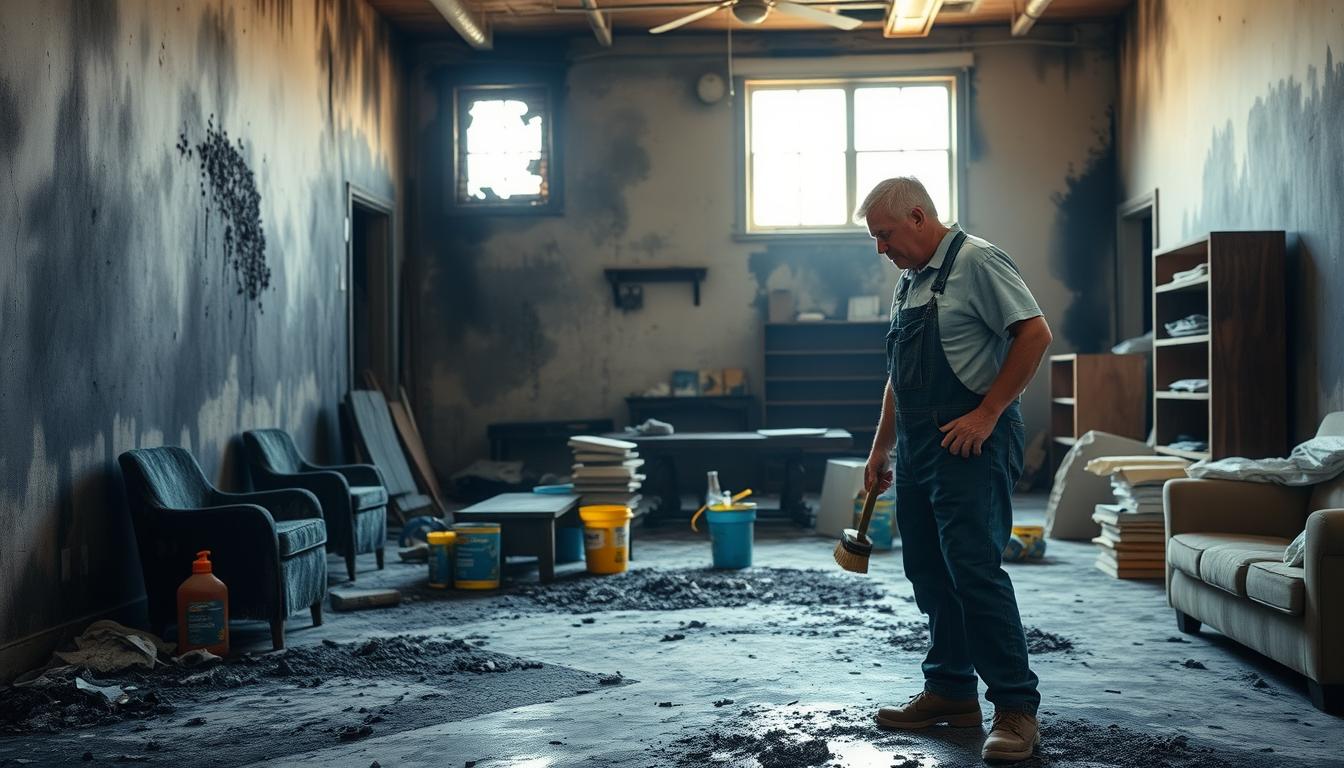
After a fire, the damage can be as bad as the flames. Soot and smoke residue can get into every part of your home. It leaves a fine, black powder made of carbon and chemicals.
It’s important to know how this residue affects your home. Soot can harm walls, furniture, and even the air you breathe. Choosing between DIY cleanup and professional help can be tough.
While DIY smoke damage cleanup might save money, think about the damage and risks. Professional smoke damage repair services can fix your home fully. They make sure it’s like new again.
Understanding the Impact of Smoke Damage on Your Home
Smoke damage can deeply affect your home, both its structure and the health of those living there. Soot, a byproduct of smoke, is acidic. It can corrode metals, harm electronic devices, and damage household items if not treated quickly.
Types of Smoke Damage and Their Effects
Smoke damage comes in two main types: wet smoke from smoldering fires and dry smoke from fast-burning ones. Wet smoke leaves a sticky residue, while dry smoke causes discoloration. Each type affects different materials in your home.
Immediate Risks After a Fire or Smoke Event
After a fire or smoke event, there are immediate dangers. These include unstable structures, electrical hazards, and health risks from smoke particles. It’s vital to tackle these risks fast to keep everyone safe.
Timeline for Effective Smoke Damage Response
The time frame for dealing with smoke damage is key. Starting cleanup and restoration quickly helps avoid long-term damage and health issues. Quick action helps remove smoke smell from your house more effectively.
Assessing the Extent of Smoke Damage
After a fire or smoke event, it’s key to know how much damage there is. Smoke can get into many parts of your home. This includes walls, ceilings, furniture, and even electronics.
Visual Inspection Techniques
Start by looking closely at your home for signs of smoke damage. Look for soot, discoloration, and warped surfaces. Also, check for smoke residue on walls, ceilings, floors, furniture, and fixtures.
Hidden Smoke Damage: What to Look For
Smoke can also hide in places like behind walls and under flooring. Watch for musty smells, warped surfaces, and discoloration. These signs can mean there’s hidden smoke damage.
Using Testing Equipment to Measure Contamination
For a precise check, experts use special tools. These tools can find soot particles, VOCs, and other pollutants. This helps them understand the full extent of the damage.
| Assessment Method | Description | Tools/Equipment |
|---|---|---|
| Visual Inspection | Look for visible signs of smoke damage | Flashlight, magnifying glass |
| Hidden Damage Detection | Identify smoke damage in concealed areas | Moisture meter, thermal imaging camera |
| Contamination Measurement | Measure levels of soot and VOCs | Air quality monitors, soot particle counters |
DIY Smoke Damage Cleanup: What You Can Safely Handle
When you’re cleaning up smoke damage yourself, it’s key to know what you can do safely. Some jobs need a pro, but you can handle a lot of smoke damage cleanup on your own.
Essential Safety Equipment for DIY Cleanup
Before you start cleaning, make sure you have the right safety gear. This keeps you safe from harmful particles and chemicals. You’ll need:
- Masks: Use N95 or higher-rated masks to filter out fine particles.
- Gloves: Wear rubber or nitrile gloves to prevent skin contact with contaminated surfaces.
- Protective clothing: Cover your clothes with disposable coveralls or old clothing that can be washed or discarded after use.
Step-by-Step Process for Basic Smoke Cleanup
For basic smoke cleanup, follow these steps:
- Ventilate the area: Open windows and use fans to improve air circulation.
- Remove debris: Clear away any charred or damaged items that cannot be salvaged.
- Clean surfaces: Use a mild detergent and warm water to wipe down surfaces, starting from the top and working your way down.
What NOT to Do During DIY Smoke Cleanup
Avoid common mistakes during DIY smoke cleanup, such as:
- Using harsh chemicals: Avoid using bleach or other strong chemicals that can react with smoke residue or damage surfaces.
- Ignoring hidden areas: Don’t forget to clean areas behind walls, under flooring, and inside appliances.
- Neglecting personal safety: Always wear protective gear and follow safety guidelines to prevent injury or exposure to harmful substances.
Recommended Products for DIY Smoke Cleaning
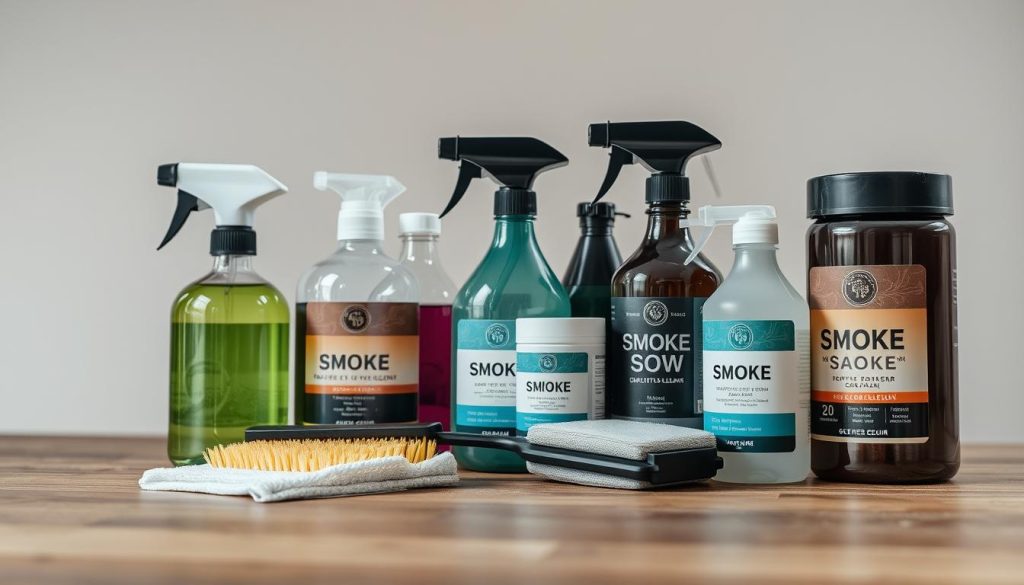
Choosing the right cleaning solutions and tools is key for tackling smoke damage at home. The right products can greatly help in restoring your home’s original state.
Effective Cleaning Solutions for Different Surfaces
For various surfaces affected by smoke, different cleaning solutions are needed. For example, mild soap or detergent works well on general surfaces. A mix of water and trisodium phosphate (TSP) is effective for hard surfaces with stubborn smoke residue.
Tools and Equipment Worth Investing In
Investing in the right tools and equipment can boost your DIY smoke cleaning efforts. Essential items include heavy-duty cleaning gloves, protective eyewear, and respirator masks for safety. Also, a wet/dry vacuum is useful for removing soot and water from surfaces.
| Surface Type | Recommended Cleaning Solution | Tools/Equipment |
|---|---|---|
| Walls and Ceilings | Mild detergent and water | Soft-bristled brush, ladder |
| Furniture | Specialized furniture cleaners | Soft cloth, cleaning brushes |
| Carpets and Upholstery | Enzyme-based cleaners | Carpet cleaner machine |
Natural Alternatives to Chemical Cleaners
For a natural approach, vinegar is effective for odor removal. Vinegar’s acidic properties neutralize alkaline smoke residues, making it a useful natural cleaner.
Tackling Smoke Damage in Specific Areas of Your Home
When dealing with smoke damage, it’s crucial to address each area of your home separately. This ensures thorough restoration. Different areas need specific cleaning and restoration techniques.
Cleaning Smoke-Damaged Walls and Ceilings
Start by using a mild soap or detergent to clean walls and ceilings. For tougher smoke residue, a solution of trisodium phosphate (TSP) and warm water can be effective. Always wear protective gloves and goggles when using TSP.
Restoring Smoke-Affected Furniture and Upholstery
For smoke-affected furniture, begin by vacuuming the surface to remove loose soot. Then, use a fabric cleaner suitable for the type of fabric. For heavily damaged or soiled items, consider professional cleaning or replacement.
Addressing Smoke Damage in Carpets and Flooring
Smoke damage in carpets and flooring can be challenging. For carpets, use a carpet cleaning solution and consider renting a steam cleaner. For hardwood floors, a gentle wood floor cleaner can help remove smoke residue.
Salvaging Smoke-Exposed Electronics and Appliances
For electronics and appliances, it’s often best to consult a professional. However, you can start by wiping down exterior surfaces with a dry cloth. For some appliances, like ovens, a self-cleaning cycle can help remove smoke residue.
By addressing each area of your home specifically, you can effectively restore your property after smoke damage. Remember to always wear protective gear during the cleaning process and consider seeking professional help when needed.
Odor Removal and Air Purification Strategies
Fixing your home after smoke damage is more than just cleaning up. It’s about getting rid of smells and making the air clean. Smoke can get deep into things, leaving smells and health risks.
DIY Methods for Eliminating Smoke Odors
For small smoke damage, you can try DIY. Use natural odor absorbers like baking soda, activated charcoal, or white vinegar. Open windows and use fans to move the air. For strong smells, an ozone generator might help, but be careful and follow the rules.
Professional Odor Neutralization Techniques
For big smoke damage, you might need a pro. Experts use special tools like thermal fogging machines and professional-grade ozone generators. These tools get deep into materials to kill smells.
Air Purification Systems for Post-Fire Recovery
Air purifiers, especially those with HEPA filters, are key for smoke. Look for an air purifier’s CADR (Clean Air Delivery Rate) and how big an area it can cover.
Improving Indoor Air Quality After Smoke Exposure
| Air Purification System | Features | Effectiveness for Smoke Damage |
|---|---|---|
| HEPA Filter Air Purifiers | Captures 99.97% of particles as small as 0.3 microns | Highly effective for smoke particles |
| Ozone Generators | Produces ozone to neutralize odors and kill bacteria | Effective for odor neutralization, but use with caution |
| Activated Charcoal Air Purifiers | Absorbs odors and chemicals | Effective for odor control, complementary to HEPA |
Using these methods together can help get rid of smoke smells. This makes your home safer and healthier to live in.
Health Risks of Improper Smoke Cleanup
After a fire, health risks can arise if smoke damage isn’t handled right. Breathing in soot and smoke can make health problems worse and even cause new ones.
Short-Term Health Effects of Smoke Residue
Smoke residue can cause quick health problems. It can lead to breathing issues and irritation in the eyes, nose, and throat. Inhaling soot can make asthma worse, cause infections, and harm lungs over time.
- Respiratory issues due to inhalation of smoke particles
- Eye, nose, and throat irritation from soot and chemicals
- Potential for triggering asthma attacks
Long-Term Exposure Concerns
Long-term exposure to smoke residue can cause serious health problems. These include chronic respiratory diseases and a higher risk of heart issues.
| Health Risk | Short-Term Effects | Long-Term Effects |
|---|---|---|
| Respiratory Issues | Coughing, wheezing | Chronic bronchitis, asthma |
| Cardiovascular Problems | Increased heart rate | Heart disease, heart attacks |
Protecting Vulnerable Family Members During Cleanup
Family members like kids, the elderly, and those with health issues need extra care during cleanup. Make sure they stay away from cleaning areas. If they must be there, they should wear protective gear.
Knowing the health risks of bad smoke cleanup and taking precautions can keep your family safe. It ensures a safe and healthy restoration process.
Professional Smoke Damage Repair: When to Call the Experts
DIY cleanup can work for small smoke damage. But, for bigger issues, you need experts. Smoke damage can be deep and hidden. It often needs special tools and skills to fix a home right.
Signs That DIY Methods Won’t Be Sufficient
Here are signs you should get help from pros:
- Strong, lasting smoke smells that won’t go away
- Soot or smoke marks on walls, ceilings, or furniture
- Water damage from fire fighting that might harm your home’s structure
- Smoke damage to electrical or HVAC systems, which are crucial
What Professional Smoke Restoration Involves
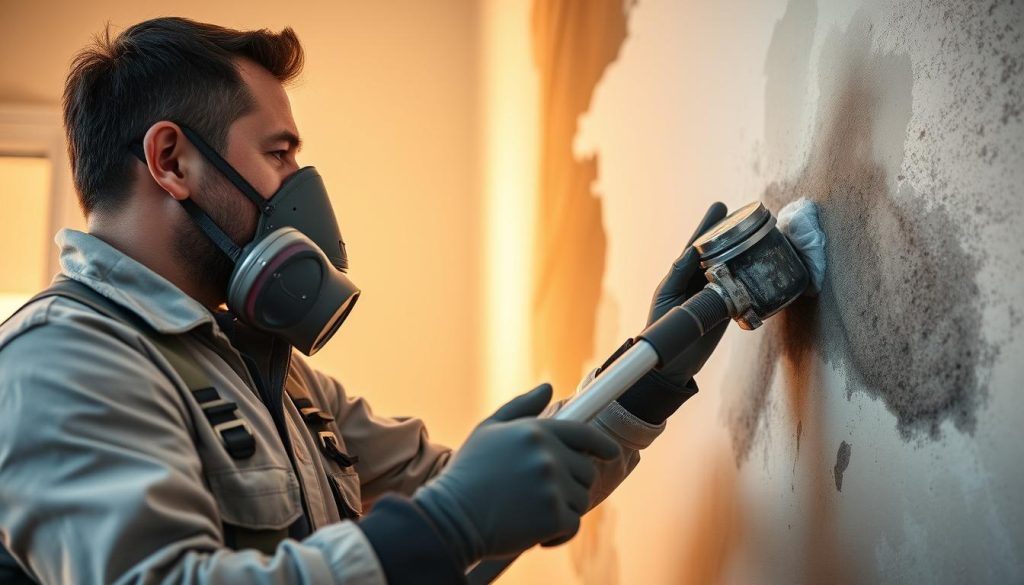
Smoke restoration pros use specialized equipment and techniques. They make homes safe and livable again. Their work includes:
- Checking how bad the smoke damage is
- Using advanced cleaning and sanitizing methods
- Removing smells and purifying the air
- Fixing damaged structures and systems
How to Choose a Qualified Smoke Damage Restoration Company
When picking a restoration company, look for:
- IICRC certification
- Experience in smoke damage repair
- Good customer reviews and feedback
Customer Experiences: DIY Struggles vs. Professional Results
Many have tried DIY smoke cleanup but failed. For example, one homeowner tried to clean smoke-damaged walls but got stuck with bad smells and colors. But, after calling the pros, their home was fixed. “The pros got rid of the smoke smell and made our home like new again,” they said.
The Complete Smoke Damage Repair Process
The smoke damage repair process has many important steps. It starts with an initial assessment and ends with a final inspection. This ensures your home is fully restored.
Initial Assessment and Documentation
The first step is a detailed assessment of the damage. Experts check the property to find all smoke and soot damage. They document this for insurance and plan the repair work.
Cleaning and Sanitization Procedures
Next, cleaning and sanitization begin. Special tools and methods are used to remove smoke and soot. This step is key to getting rid of bad smells and preventing mold.
Structural Repairs and Restoration
Then, the focus shifts to structural repairs. Damaged walls, floors, and other parts are fixed or replaced. The goal is to make your home look and feel like new again.
HVAC System Restoration After Smoke Exposure
Restoring the HVAC system is also crucial. Experts clean and check the system to remove smoke and soot. This ensures your air stays clean and safe.
Final Inspection and Quality Assurance
The last step is a detailed inspection. Professionals make sure all damage is fixed and the home is safe and clean. This final check gives homeowners peace of mind.
| Process Stage | Description | Key Activities |
|---|---|---|
| Initial Assessment | Inspecting and documenting damage | Identifying affected areas, creating a restoration plan |
| Cleaning and Sanitization | Removing smoke residue and sanitizing | Using specialized equipment, eliminating odors |
| Structural Repairs | Repairing or replacing damaged structures | Fixing drywall, flooring, and other elements |
| HVAC Restoration | Cleaning and inspecting HVAC systems | Removing smoke particles, ensuring clean air circulation |
| Final Inspection | Ensuring quality and completeness | Checking for remaining damage, verifying cleanliness |
Cost Comparison: DIY vs. Professional Smoke Damage Restoration in 2025
It’s important to know the costs of DIY versus professional smoke damage restoration. DIY might seem cheaper at first, but pros might save you more money in the long run. This is especially true for big damage jobs.
Typical DIY Cleanup Expenses
DIY cleanup costs include cleaning supplies and protective gear. You might also need special equipment for getting rid of smells. Initial costs may appear lower, but remember to add the cost of materials and your time.
Professional Restoration Service Pricing Factors
Professionals charge based on damage extent, area size, and service type. Costs are influenced by contamination level, equipment needs, and labor costs.
Long-Term Cost Considerations
Think about long-term costs when deciding. Professional restoration can stop mold and structural damage, saving you money later. A thorough restoration also keeps your home’s value and safety high.
In summary, DIY might be cheaper at first, but professional smoke damage restoration offers long-term savings. This makes them a smart choice for homeowners facing smoke damage in 2025.
Conclusion: Making the Right Choice for Your Smoke Damage Situation
Dealing with smoke damage can be tough. Choosing between DIY cleanup and professional help is key. The damage’s extent, your comfort, and resources matter a lot.
Look at your smoke damage carefully. See if you can safely handle it. For minor damage, DIY might work. But for big damage, you need pros.
Think about DIY vs professional repair. DIY can save money but might not be thorough or safe. Pros have the skills and tools to fix your home right.
Your choice depends on your situation and what you value most. Knowing about smoke damage and your options helps you decide. This way, you ensure your home is fixed safely and well.