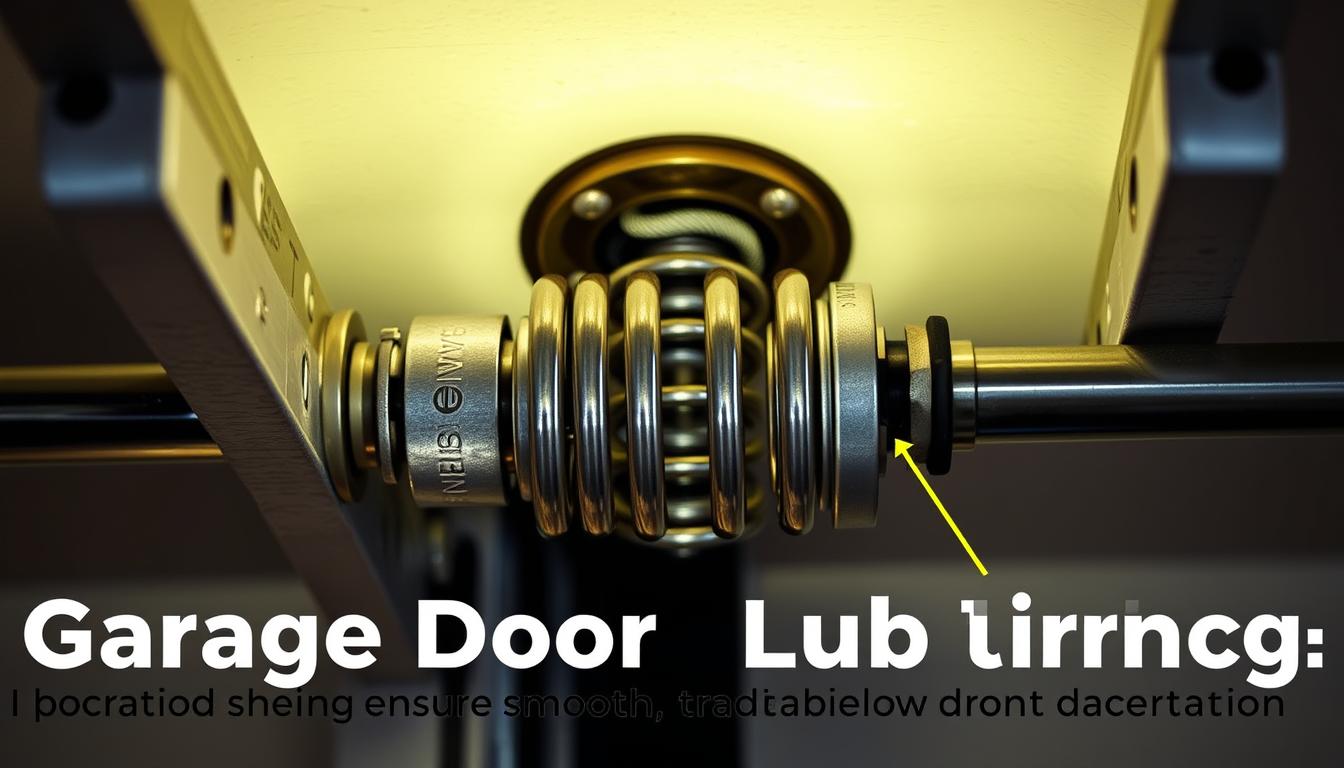
Keeping your garage door system in good shape is key. This includes making sure the springs are well-lubricated.
Regular lubrication makes your garage door springs last longer. It also keeps your door quiet. If you ignore this, your springs might wear out faster, leading to expensive fixes.
It’s important to take care of your spring maintenance. This helps avoid problems with your garage door. By keeping the springs lubricated, you can dodge the need for costly garage door repair.
The Critical Role of Spring Maintenance in Garage Door Function
Garage doors work well thanks to their spring systems. These systems, either torsion or extension springs, balance the door’s weight. This makes opening and closing the door easier.
How Torsion and Extension Springs Work
Torsion springs sit above the door and twist to store energy. This energy helps lift the door when it opens. Extension springs are on the sides and stretch to store energy. Both are key for the door’s smooth operation.
Warning Signs Your Springs Need Lubrication
Garage door springs can get dry and noisy over time. This means they need lubrication. Look out for these signs:
Unusual Noises During Operation
If your garage door makes unusual noises like creaking or squeaking, it’s a sign. The springs might need lubrication.
Jerky or Uneven Door Movement
Jerky or uneven door movement also means the springs need lubrication. This uneven movement can stress other parts of the door system.
- Check for unusual noises during door operation.
- Observe the door’s movement for any jerky or uneven actions.
Lubricating the springs can fix these problems. It ensures the garage door works smoothly.
Why You Should Lubricate the Spring on My Garage Door
Lubricating your garage door springs is a key maintenance task. It offers many benefits. It can make your garage door system work better and last longer.
Preventing Premature Spring Failure
Spring failure prevention is a big plus of regular lubrication. Well-lubricated springs have less friction. This means they wear out less, avoiding early failure and saving you money and safety risks.
Improving Overall Door Performance
Lubricating garage door springs also improves garage door performance. Smooth springs make your door open and close easily. This is great for daily users, making the door more functional.
Reducing Operational Noise
Another big plus of lubricating garage door springs is noise reduction. Properly lubricated springs are quieter. This makes your garage door less noisy, which is nice if you live in the garage.
By lubricating your garage door springs, you get a quieter, smoother, and more reliable door. Regular maintenance is essential. It helps your garage door system last longer and work better.
Safety First: Precautions When Working with Garage Door Springs
Garage door springs are very tense and can be dangerous if not handled carefully. It’s important to know the risks and take the right steps to avoid accidents.
Understanding Spring Tension Dangers
Garage door springs hold a lot of energy. If they break or are not handled right, this energy can release suddenly. This can lead to serious injuries. It’s key to understand the dangers of spring tension to stay safe.
Required Safety Gear and Preparation
Before you start working on your garage door springs, make sure you have the right safety gear. You’ll need safety glasses, gloves, and strong clothes. Also, know the type of spring your garage door has and its tension level.
Disengaging the Garage Door Opener
Always turn off the garage door opener before you manually open the door. This stops the opener from accidentally opening the door. To do this, pull the release handle on the opener.
| Safety Measure | Description | Importance Level |
|---|---|---|
| Wearing Safety Gear | Protects against physical harm from springs and other components. | High |
| Understanding Spring Tension | Helps in anticipating and mitigating potential dangers. | High |
| Disengaging Garage Door Opener | Prevents unexpected door movement. | Critical |
By taking these safety steps, you can lower the risks of working on garage door springs. Always put safety first when doing maintenance tasks.
Selecting the Right Lubricants and Tools
Choosing the right lubricant for your garage door springs is key. It keeps them running smoothly and protects them from damage. The right lubricant also stops corrosion and wear.
Best Lubricants for Garage Door Springs
For lubricating garage door springs, two lubricants are top choices. These are silicone-based sprays and lithium-based greases.
Silicone-Based Sprays
Silicone-based sprays are great because they don’t attract dirt. This makes them perfect for garage door springs. They also keep moisture away, which helps prevent corrosion.
Lithium-Based Greases
Lithium-based greases are strong and good for springs under a lot of tension. They stick well to the springs, giving long-lasting protection even in tough conditions.
Application Tools You’ll Need
To apply lubricant right, you need the right tools. Here are some must-haves:
- A ladder to safely reach the springs
- A cloth or rag to clean off extra lubricant
- A spray nozzle or brush for direct application
Using the right lubricant and tools keeps your garage door springs in top shape. This boosts your garage door’s performance.
Complete Step-by-Step Spring Lubrication Guide
Lubricating your garage door springs is key to keeping it running smoothly. This guide will help you do it safely and right.
Preparing Your Work Area
First, clear the area around your garage door of any clutter. Make sure you have a stable ladder and all the tools and lubricants you need nearby.
Safely Accessing Torsion Springs
To get to the torsion springs, use a sturdy ladder and maintain three points of contact. This could be two hands and one foot or two feet and one hand. Be careful because the spring’s tension can hurt you if you’re not careful.
Properly Applying Lubricant to Springs
Spray lubricant directly onto the springs. Make sure to cover the whole length. But don’t let lubricant get on the tracks or rollers of your garage door.
Testing Door Operation After Lubrication
After you’ve lubricated the springs, test the garage door’s operation. Open and close it a few times. Listen for any odd noises and check if it moves smoothly.
By following these steps, you’ll keep your garage door springs well-lubricated. This will make your garage door work better and last longer.
Avoiding Common Spring Lubrication Mistakes
Lubricating garage door springs might seem easy, but many mistakes can cause big problems. Knowing these common errors can help homeowners keep their garage doors in good shape.
Inappropriate Lubricant Selection
Choosing the right lubricant is key for garage door spring care. The wrong lubricant can make the springs work poorly and wear out faster. Silicone-based or lithium-based lubricants are best because they last long and handle temperature changes well.
Excessive Lubricant Application
Too much lubricant can be as bad as not using any. It can draw in dirt and grime, causing buildup on the springs and other parts. This can lead to early wear and even spring failure.
Neglecting Related Components
Don’t forget to lubricate other parts when you’re working on the springs. Tracks, rollers, and hinges need it too for smooth operation. Skipping them can cause more friction, noise, and stress on the springs.
| Component | Lubrication Frequency | Recommended Lubricant |
|---|---|---|
| Garage Door Springs | Every 6 months | Silicone or Lithium-based |
| Tracks and Rollers | Every 3 months | White Lithium Grease |
| Hinges | Every 6 months | Silicone Spray |
Recommended Lubrication Schedule for Garage Door Springs
It’s important to keep your garage door springs well-lubricated. This helps them work better and last longer. How often you need to lubricate depends on the season and where you live.
Seasonal Maintenance Timeline
Lubricate your garage door springs at least twice a year. Do it in the spring and fall. This keeps your garage door running smoothly all year, no matter the weather.
Environmental Factors Affecting Lubrication Needs
Several things can change how often you need to lubricate your garage door springs. Knowing these can help keep your garage door in top shape.
Climate Considerations
If you live in a place with very hot or cold temperatures, or lots of humidity, you might need to lubricate more often. For example, if you’re near the coast, you might need to do it every 2-3 months to stop rust.
Usage Frequency Impact
If you use your garage door a lot, you’ll need to lubricate it more often. This is especially true for businesses or homes with many drivers. You might need to do it every 1-2 months.
| Usage Frequency | Lubrication Interval |
|---|---|
| Low (1-2 times/day) | Every 6 months |
| Moderate (3-5 times/day) | Every 3-4 months |
| High (more than 5 times/day) | Every 1-2 months |
Consequences of Neglecting Spring Lubrication
Not lubricating your garage door springs can lead to big problems. It causes wear, makes the door less efficient, and can be dangerous. It’s key to keep your garage door system in good shape with regular lubrication.
Increased Wear and Premature Failure
Ignoring spring lubrication means more friction. This makes the springs wear out quicker. You might need expensive repairs or even new springs.
Energy Efficiency Reduction
Without proper lubrication, the opener works harder. This makes the door open and close less efficiently. It can also raise your electricity bills.
Potential Safety Hazards
Not lubricating springs can be very risky. Worn-out springs might snap, hurting people or damaging things nearby.
| Consequence | Description | Potential Outcome |
|---|---|---|
| Increased Wear | Friction between moving parts | Premature spring failure |
| Energy Efficiency Reduction | Increased strain on garage door opener | Higher electricity bills |
| Potential Safety Hazards | Worn-out or failing springs | Injury or property damage |
Knowing the risks of not lubricating springs helps homeowners. They can take steps to keep their garage doors safe and working well.
Diagnosing and Addressing Other Spring Issues
Regular maintenance is important, but spotting spring damage is crucial to avoid garage door problems. Garage door springs are very tense and can wear out over time. This can lead to safety risks and expensive fixes if not fixed quickly.
Identifying Spring Damage Beyond Maintenance Needs
It’s vital to check your garage door springs often for damage. Look for signs like:
- Gaps or breaks in the spring coils
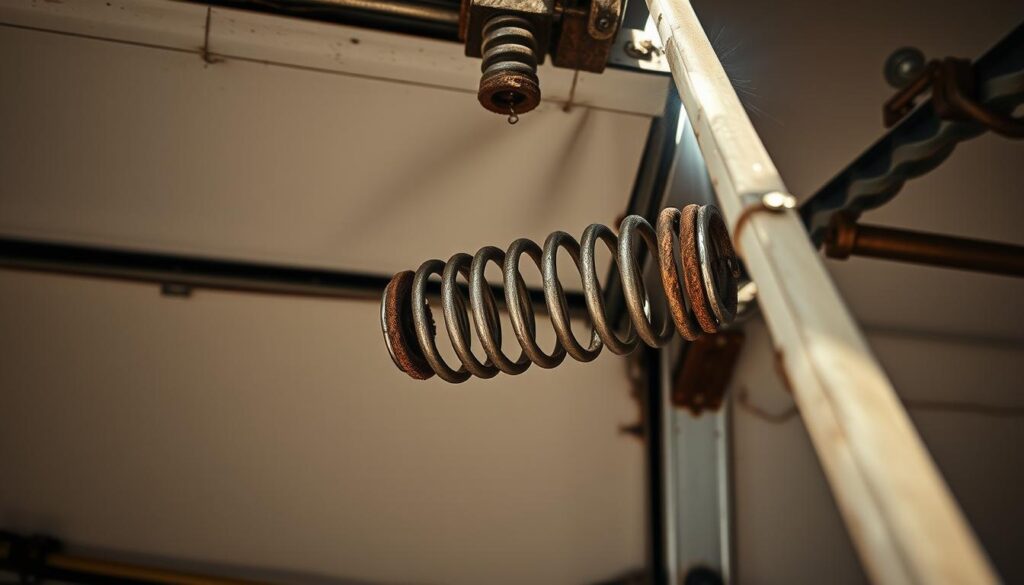
- Rust or corrosion on the spring surface
- Misalignment or uneven tension in the springs
If you see any of these, it’s important to act fast to avoid more damage.
| Signs of Spring Damage | Potential Consequences | Recommended Action |
|---|---|---|
| Gaps or breaks in spring coils | Spring failure, door malfunction | Replace the spring |
| Rust or corrosion | Weakened spring, potential breakage | Clean or replace the spring |
| Misalignment or uneven tension | Door imbalance, increased wear on other components | Adjust or replace the spring |
When Spring Replacement is Necessary
Replacing garage door springs is needed when they’re too damaged or old. Springs usually last 7 to 12 years, depending on how much they’re used and the environment. If you see a lot of wear or if your springs are getting old, it’s time to replace them. This keeps your garage door working well and safely.
Replacing springs can be dangerous because they’re so tense. It’s best to get a professional to do it right and safely.
Comprehensive Garage Door Maintenance Beyond Springs
Keeping your garage door in top shape means more than just looking at the springs. It’s about making sure every part works well. This includes lubricating parts and checking important components. Doing this keeps your garage door running smoothly for years.
Lubricating Tracks, Rollers, and Hinges
It’s important to grease the tracks, rollers, and hinges. This cuts down on friction and makes the door move smoothly. Use a silicone-based lubricant to keep these parts in good shape. Regularly greasing them also makes the door quieter.
Inspecting and Maintaining Cables
Checking the cables for damage is key for safety and performance. Look for frays or rust and replace them if you find any. Keeping the cables in good condition prevents accidents and keeps the door working right.
Weather Stripping and Seal Maintenance
Weather stripping and seals keep your garage door tight. This keeps dust, moisture, and pests out. Check them often for wear and replace them when needed. This helps save energy and keeps your garage clean.
By following these tips, you can make your garage door last longer. It will work better and be safer to use. Keeping up with maintenance is a smart move for your garage door.
Conclusion
Regular lubrication and maintenance are key to keeping your garage door springs in good shape. This ensures your door works smoothly. By following the steps in this article, you can avoid early spring failure and reduce noise.
A well-kept garage door system makes your home look better and keeps it safe. Adding garage door maintenance tips to your routine can save you money on repairs and replacements later.
In short, lubricating your garage door springs is a simple yet effective way to keep your door healthy. Regular inspections and maintenance make your garage door quieter, more efficient, and last longer. This is a big part of a garage door spring lubrication summary.