
A foundation inspection is crucial for spotting structural problems in your home. It’s wise to hire a licensed pro for a fair check.
So, what is a structural inspection service? It’s about looking at your home’s foundation for any damage or future problems. A certified inspector gives you a reliable report and peace of mind.
Looking for the best inspection services near you? Look at their certification, experience, and customer feedback. This helps you choose well.
What Is a Structural Inspection and Why Do You Need One?
A building’s stability and safety depend on its structure. A structural inspection checks the foundational parts like walls, floors, and roofs. It makes sure the building is stable.
Common Structural Issues in Residential Properties
Residential buildings can face many structural problems. These include settling foundations, soil changes, and poor drainage. Signs include cracks in walls and ceilings, bowing walls, and uneven floors.
Common Structural Issues:
- Foundation damage
- Cracks in walls and ceilings
- Bowing or leaning walls
- Uneven or sagging floors
Benefits of Early Detection Through Professional Inspection
Spotting structural problems early can save a lot of money. It helps avoid expensive fixes and keeps the property safe.
| Benefits | Description |
|---|---|
| Cost Savings | Avoids costly repairs by identifying issues early |
| Safety | Ensures the property remains safe and secure for occupants |
| Property Value | Maintains or increases property value by addressing structural issues |
Key Timing: When to Schedule a Structural Inspection
Choosing the right time for a structural inspection is crucial. Homeowners should consider it during weather changes, before buying a property, or when damage is seen.
Key Timing Considerations:
- Before purchasing a property
- During significant weather changes
- When signs of structural damage appear
Finding Quality Structural Inspection Services Near You
Finding a good structural inspection service is key for property owners. It helps avoid expensive surprises later. Knowing what to look for is important.

Top National Structural Inspection Companies for 2025
Many national companies are known for their skill and wide range of services. Some of the top national structural inspection companies include:
- Companies with lots of experience in structural inspections
- Firms that offer many inspection services
- Organizations known for being reliable and accurate
How to Research Local Inspection Services
To find the best local inspection services, follow these steps:
- Check state licensing agencies for qualified inspectors
- Consult professional organizations for recommendations
- Read online reviews to see how customers feel
- Ask friends, family, or real estate pros for tips
Specialized Inspectors for Different Property Types
Different properties need different inspectors. For example:
- Residential homes need inspectors who know about foundations and structures
- Commercial buildings need inspectors who know about complex codes and rules
- Historical buildings need inspectors who know about preservation and materials
Understanding your property’s needs and researching local services helps. You can find a quality structural inspection service that fits your needs.
Verifying Credentials: Ensuring Your Inspector Is Qualified
When you need a structural inspector, checking their credentials is key. It makes sure you get a skilled professional. This step is important for a detailed and correct inspection.
State-by-State Licensing Requirements for Structural Inspectors
In the U.S., each state has its own rules for structural inspectors. It’s important to know that structural engineers need a state license to work. To check an inspector’s license, contact your state’s licensing board. Some states ask for inspectors to be certified as home inspectors or structural engineers.
- Check your state’s licensing requirements for structural inspectors.
- Verify the inspector’s license with the state’s licensing board.
- Ensure the inspector has the necessary certifications for your property type.
Important Professional Certifications to Look For
There are professional certifications that show an inspector’s skill and dedication. Look for certifications from groups like the American Society of Civil Engineers (ASCE) or the International Code Council (ICC). Inspectors who are certified home inspectors or have special training in structural inspections are good choices.
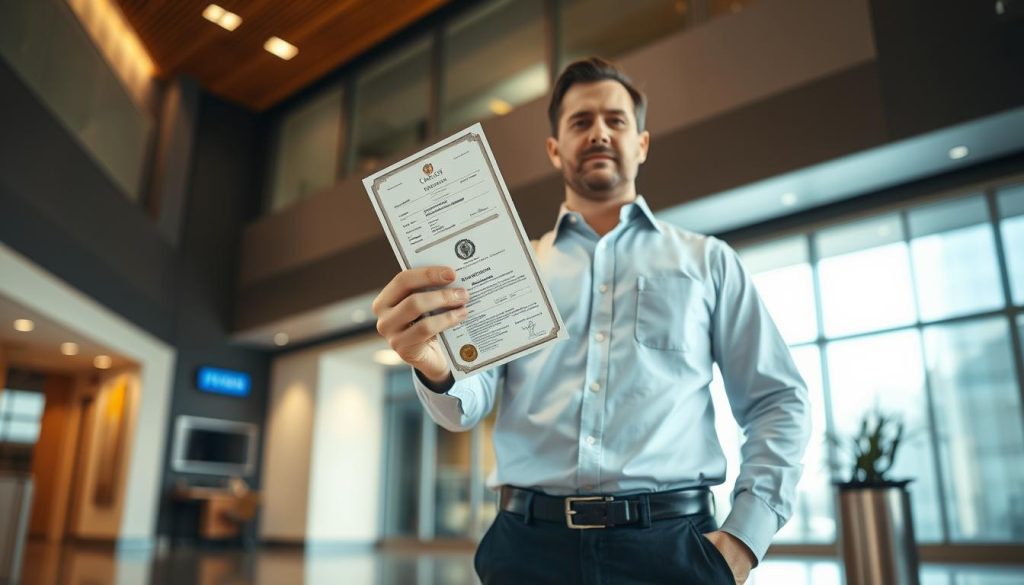
Step-by-Step Guide to Verifying an Inspector’s Credentials
Verifying an inspector’s credentials is easy:
- Check with your state’s licensing board to verify the inspector’s license.
- Look for professional certifications from reputable organizations.
- Research the inspector’s experience and specialization.
- Ask for references or reviews from previous clients.
By doing these steps, you can be sure your structural inspector is qualified. They will do a thorough and accurate job.
10 Essential Questions to Ask Before Hiring a Structural Inspection Service
Choosing the right structural inspection service is crucial. You need to ask the right questions to get a detailed and accurate assessment. This helps you understand the inspector’s qualifications, the inspection process, and what the final report will include.
Questions About Experience and Specialization
It’s important to know the inspector’s experience and specialization. This ensures they can meet your specific needs. Here are some questions to ask:
- How many years of experience do you have in structural inspections?
- What types of properties do you specialize in inspecting?
- Can you provide references or testimonials from previous clients?
Questions About the Inspection Process and Timeline
Understanding the inspection process and timeline is key. Ask these questions:
- What does the inspection process entail, and how long will it take to complete?
- What areas of the property will be inspected?
- Will you be performing the inspection yourself, or will it be subcontracted?
Questions About Reports, Recommendations, and Follow-up
Lastly, ask about the report and any follow-up services. Here are some questions:
- What information will be included in the inspection report?
- Will you provide recommendations for repairs or further evaluation?
- Do you offer any follow-up services or support after the inspection?
By asking these essential questions, you can confidently choose a structural inspection service. They will provide a thorough assessment of your property.
Understanding the Cost of Structural Inspections Across the U.S.
Knowing the cost of structural inspections is key for homeowners and investors. The price can change a lot based on location, size, and how complex the property is.
Average Inspection Costs by State and Region
In the U.S., structural inspections can cost between $300 and $1,000. This price can go up for bigger or more complicated properties. Here’s a look at average costs by region:
- Northeast: $400-$800
- South: $350-$700
- Midwest: $300-$600
- West Coast: $500-$1,000
Factors That Influence Pricing
Several things can affect how much a structural inspection costs. These include:
- Property size and complexity: Bigger or more complex properties need more time and skill, making them more expensive.
- Inspector’s experience and qualifications: More skilled and certified inspectors might charge more.
- Location: Inspectors in cities might charge more than those in rural areas because of living costs and demand.
Additional Services Worth the Extra Investment
Even though a structural inspection might seem pricey at first, extra services can add value. These can include:
- Termite and pest inspections: Finding pest damage early can save a lot of money on repairs later.
- Environmental hazard assessments: Spotting hazards like mold or asbestos is important for health and safety.
- Detailed reporting and consultation: Getting detailed reports and expert advice can help homeowners focus on the most important repairs and upkeep.
What to Expect in a Professional Structural Inspection Report
Knowing what a structural inspection report covers is key for property owners and buyers. It gives a detailed look at a property’s structure. It points out any problems and what repairs are needed.
Standard Components of a Comprehensive Report
A detailed structural inspection report has several main parts:
- Photographic Evidence: Pictures of what the inspector found.
- Detailed Explanations: Detailed descriptions of the structure’s condition.
- Recommendations for Repairs or Further Testing: Advice on fixing any problems found.
Together, these parts give a full view of the property’s state.
Decoding Technical Terminology and Recommendations
Inspectors use terms that might be hard to understand. It’s important to know these terms to make smart choices.
| Term | Definition |
|---|---|
| Cracking | Fissures in walls or foundations that may indicate structural stress. |
| Settlement | The process by which a building sinks into the ground, potentially causing structural damage. |
| Deterioration | The gradual decline in condition of structural elements over time. |
Using the Report for Repair Prioritization and Cost Estimation
After getting your report, you can plan repairs and estimate costs. Here’s how:
- Find the most urgent problems to fix first.
- Get quotes from contractors for the suggested repairs.
- Make a budget and schedule for the work.
By doing this, you can manage your property’s upkeep and repairs well.
Red Flags to Watch for When Choosing Structural Inspection Companies
When picking a structural inspection company, watch out for red flags. Poor communication is a big warning sign. If an inspector is hard to reach or unclear, it might mean they’re not professional.
Warning Signs in Business Practices
Be careful of companies with odd business practices. Watch out for those who ask for money upfront or are unclear about their process. Make sure they have a real address and check their online reviews to see what others say.
Concerning Patterns in Reviews
Look for patterns in reviews that might raise concerns. If many people complain about missed issues or bad service, it could mean the company isn’t doing a good job. This could also suggest they’re not ethical.
Protecting Yourself
To avoid bad inspectors, check their credentials. Make sure they’re licensed and certified. Also, see if they belong to groups like the American Society of Home Inspectors (ASHI). Being careful and doing your homework helps you find a reliable inspection company.
FAQ
What is the difference between a home inspection and a structural inspection?
How often should I have a structural inspection done on my property?
What are the signs of structural issues in a house?
How do I verify a structural inspector’s credentials?
What should I expect from a professional structural inspection report?
How much does a structural inspection typically cost?
What is the difference between a home inspection and a structural inspection?
How often should I have a structural inspection done on my property?
What are the signs of structural issues in a house?
How do I verify a structural inspector’s credentials?
What should I expect from a professional structural inspection report?
How much does a structural inspection typically cost?
FAQ
What is the difference between a home inspection and a structural inspection?
A home inspection checks a property’s overall condition. A structural inspection looks at the foundation, walls, and roof specifically.
How often should I have a structural inspection done on my property?
Get a structural inspection every 10 to 20 years. Also, do it when buying or selling a property. Or if you see damage like cracks.
What are the signs of structural issues in a house?
Look for cracks in walls, ceilings, or foundations. Also, check for uneven floors, sticking doors, and water damage.
How do I verify a structural inspector’s credentials?
Check their licenses, certifications, and affiliations. Look for memberships in groups like the American Society of Home Inspectors (ASHI).
What should I expect from a professional structural inspection report?
A good report will describe the property’s condition. It will list any defects or damage and suggest repairs or further checks.
How much does a structural inspection typically cost?
Costs vary by location, property size, and inspector experience. But, expect to pay between 0 to
FAQ
What is the difference between a home inspection and a structural inspection?
A home inspection checks a property’s overall condition. A structural inspection looks at the foundation, walls, and roof specifically.
How often should I have a structural inspection done on my property?
Get a structural inspection every 10 to 20 years. Also, do it when buying or selling a property. Or if you see damage like cracks.
What are the signs of structural issues in a house?
Look for cracks in walls, ceilings, or foundations. Also, check for uneven floors, sticking doors, and water damage.
How do I verify a structural inspector’s credentials?
Check their licenses, certifications, and affiliations. Look for memberships in groups like the American Society of Home Inspectors (ASHI).
What should I expect from a professional structural inspection report?
A good report will describe the property’s condition. It will list any defects or damage and suggest repairs or further checks.
How much does a structural inspection typically cost?
Costs vary by location, property size, and inspector experience. But, expect to pay between $300 to $1,000 or more.
Can I perform a structural inspection myself?
While you can look for damage, a professional is best. Inspectors can spot issues you might miss.
What are the benefits of hiring a certified structural inspector?
Certified inspectors know their stuff and follow industry standards. They give a more reliable check of your property’s structure.
How long does a structural inspection typically take?
Time depends on the property’s size and complexity. But, it usually takes a few hours.
What additional services might be recommended during a structural inspection?
Inspectors might suggest services like foundation repair or termite checks. They might also recommend a structural engineer’s evaluation.
,000 or more.
Can I perform a structural inspection myself?
While you can look for damage, a professional is best. Inspectors can spot issues you might miss.
What are the benefits of hiring a certified structural inspector?
Certified inspectors know their stuff and follow industry standards. They give a more reliable check of your property’s structure.
How long does a structural inspection typically take?
Time depends on the property’s size and complexity. But, it usually takes a few hours.
What additional services might be recommended during a structural inspection?
Inspectors might suggest services like foundation repair or termite checks. They might also recommend a structural engineer’s evaluation.