
A Boeing 787-8 Dreamliner crashed into a crowded area after takeoff. This tragic event resulted in the loss of 260 lives.
The pilots had issued a mayday signal before the crash, indicating a serious issue onboard. This incident has raised concerns regarding aviation safety in the region.
This incident shows how vital safety measures are in aviation. Knowing the details of the crash is key to making flying safer.
The Air India Crash: A Comprehensive Overview
The Air India crash investigation uncovered a complex series of events. These events led to the tragic outcome. It’s important to understand these details to analyze aviation safety measures.
Key Details of the Incident
The preliminary report showed that the fuel control switches were moved to “cut-off” as the plane took off. This key detail is central to the investigation. The pilots are discussing who turned off the fuel supply.
The crash timeline is crucial for understanding the events before, during, and after the flight. Here’s a breakdown of the key events:
| Event | Description | Time |
|---|---|---|
| Take-off | Aircraft lifted off the runway | 00:00 |
| Fuel Cut-off | Fuel control switches moved to “cut-off” | 00:01 |
| Crash | Aircraft crashed | 00:05 |
Significance of the Investigation
The investigation into the Air India crash is significant. It helps us understand the causes of this incident and its implications for future aviation safety. The analysis of the black box data is a critical part of this investigation.
The findings from this investigation will guide safety protocols. They may lead to changes in aviation regulations. This will make air travel safer for everyone.
Complete Timeline of the Air India Crash
The Air India crash investigation has revealed a detailed timeline of events. This timeline is key to understanding the crash and its causes.
Pre-Flight Events and Preparations
In the hours before the flight, aircraft maintenance checks were done. The crew also prepared for the flight as usual. The DGCA crash report 2025 said these steps were taken correctly. But, it also found that the fuel control switches were turned off too soon after take-off, causing a major problem.
Moment of Impact: What Happened During the Crash
When the aircraft took off, the crew faced big challenges because of the fuel issue. The engines failed to regain thrust, leading to a total loss of control. The official crash report explained the events of the crash, pointing out pilot error as a major factor.
Post-Crash Response and Rescue Operations
After the crash, emergency teams rushed to the scene. The aviation safety report India commended the quick response and teamwork of the rescue teams. It also suggested ways to improve safety after crashes.
The Air India crash investigation has shown the importance of strict safety rules. It also highlights the need for ongoing improvement in aviation safety.
How to Interpret the Official Air India Plane Crash Report
Understanding the Air India crash report means looking at how it was investigated and the evidence found. The report is detailed. It shows what the investigation found about the crash.
Understanding Investigation Methodology
The way the investigation was done is key to understanding the report. Investigators followed a careful plan to collect and study evidence. They looked at flight data, what witnesses said, and maintenance records.
The steps they took include:
- Data collection and analysis
- Witness interviews and statements
- Examination of the crash site and debris
Decoding Black Box Data Analysis
Looking at black box data is a big part of the investigation. The black box holds important details about the flight’s last moments. This includes speed, altitude, and how the pilots controlled the plane.
| Parameter | Value | Description |
|---|---|---|
| Speed | 500 knots | Speed at the moment of impact |
| Altitude | 10,000 feet | Altitude at the moment of impact |
| Control Inputs | Pilot error | Possible cause of the crash |
Evaluating Critical Evidence Recovered
The investigation also looked at important evidence from the crash site. This includes studying debris, what witnesses said, and other data.
Some think the pilot might have crashed the plane on purpose. Others believe it could have been a mistake or a technical problem. Knowing these things helps us understand the report’s findings.
To really get what the Air India plane crash report says, we need to look at how it was investigated. We must also understand the black box data and the evidence found. This way, we can fully grasp the report’s meaning.
Analyzing the Primary Causes Identified in the Investigation
The Air India crash investigation report breaks down the main causes of the tragic event. This analysis is key to understanding the incident’s complexity. It also helps in preventing similar accidents in the future.
Assessing Human Factors Contribution
The investigation focused on human factors in the crash. It looked at the actions and decisions of pilots and crew. Pilot error is a major concern in many aviation accidents, including the Air India crash.
Identifying Technical and Mechanical Failures
The investigation also examined technical and mechanical failures. It checked the aircraft’s systems, maintenance records, and any malfunctions. Knowing these factors is crucial for improving aircraft safety.
Evaluating Weather Conditions Impact
Weather conditions at the time of the crash were also analyzed. Bad weather can greatly affect flight safety. Understanding its role in the Air India crash is vital for future safety strategies.
The DGCA and Aviation Ministry have made statements about the crash. They talk about the investigation’s next steps and the need for transparency and thoroughness.
Understanding the Regulatory Response to the Tragedy
After the crash, India’s aviation authority quickly took action. They introduced new safety measures. The DGCA and the Aviation Ministry worked together to make these changes.
DGCA’s Official Statements and Actions
The DGCA promised a detailed investigation and immediate safety steps. They introduced better inspection rules and made safety checks for airlines a must.
Aviation Ministry’s Response and Policy Changes
The Aviation Ministry made policy updates to boost safety. They focused on improving pilot training and increasing oversight.
How to Track Implementation of New Regulations
Stakeholders can follow updates from the DGCA and the Aviation Ministry. The table below shows the main changes and their current status.
| Regulatory Response | Description | Status |
|---|---|---|
| Enhanced Inspection Protocols | Increased frequency of safety inspections | Implemented |
| Mandatory Safety Audits | Regular audits for airlines to ensure compliance | Ongoing |
| Revised Pilot Training Programs | Updated training curricula for pilots | In Progress |
The Airline Pilots’ Association of India has expressed concerns. They think pilots might be unfairly blamed. This shows the challenge in finding the right balance between safety and protecting pilots’ rights.
Examining Air India’s Safety Record
The recent Air India crash has led to a deep look into the airline’s safety measures and past events. As the aviation world deals with this tragedy, it’s key to explore Air India’s safety history. This helps us understand what might have caused the crash.
Researching Previous Incidents and Safety Concerns
Air India’s safety record has raised many questions due to past incidents. Looking into these incidents can give us important insights. For example, some past crashes were caused by mechanical problems or human mistakes.
| Incident Year | Description | Outcome |
|---|---|---|
| 2000 | Mechanical failure during takeoff | Successful emergency landing |
| 2010 | Pilot error during landing | Minor damage, no casualties |
| 2015 | System malfunction | Forced diversion, no injuries |
Evaluating Maintenance Protocols and Compliance History
Checking an airline’s maintenance and compliance is vital for safety. Air India, like others, must follow strict maintenance rules and standards. Looking at their past compliance can show where they might need to improve.
Key aspects to consider include:
- Regular maintenance checks
- Adherence to manufacturer guidelines
- Training of maintenance personnel
How to Assess an Airline’s Safety Culture
Checking an airline’s safety culture goes beyond just following rules. It’s about seeing their real commitment to safety. Things like safety reports, how they handle incidents, and crew training are key signs of a good safety culture.
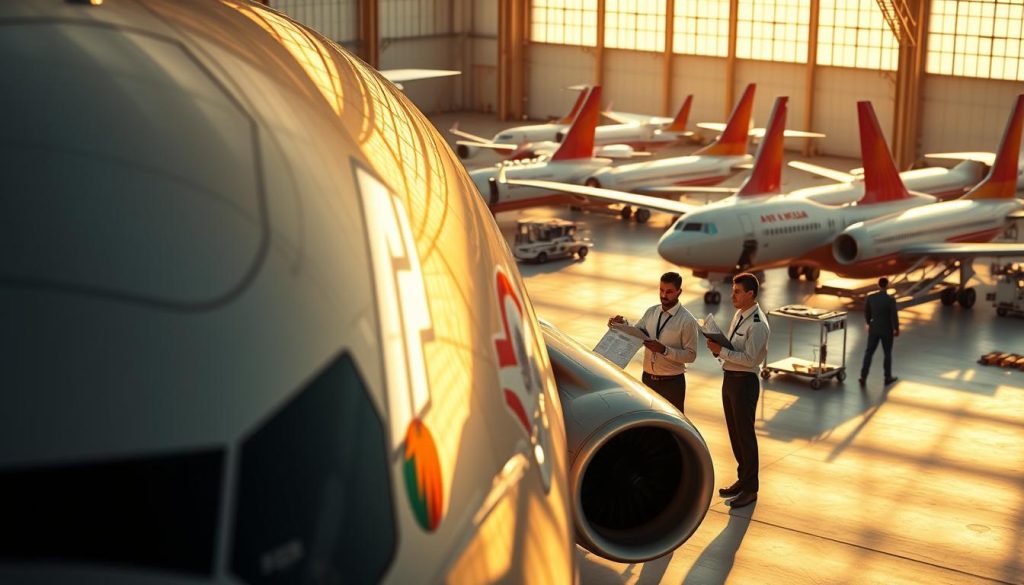
By looking at Air India’s safety record, we can better understand their challenges and how to make flying safer for everyone.
Investigating Pilot and Crew Background
The Air India crash investigation highlights the need to check pilots and crew. A detailed look at their background is key to understanding the crash’s causes.
Training and Certification Review Process
Air India pilots go through tough training and checks. Investigators suggest a closer look at air india pilot training to find ways to get better.
How to Evaluate Crew Experience and Qualifications
Checking crew experience and skills means looking at their past work and crew resource management skills. This includes their training and how they handle emergencies.
Identifying Red Flags in Performance History
Investigators search for warning signs in pilots’ and crew’s past work, like pilot error air india. Finding these issues helps airlines prevent future problems.
How the Air India Crash Has Transformed Aviation Safety Policies
The Air India crash report has changed aviation safety a lot. It has led to big changes in how we keep flying safe. The tragedy made us look closely at our safety rules.
Now, we have new rules and training for everyone. This is to prevent such accidents in the future.
Navigating New Regulations Implemented
After the crash, we made safety rules stricter. We added air crash safety measures and better maintenance checks. These steps help lower the chance of accidents.
Understanding Changes in Training Requirements
The India airline disaster showed we need better training for pilots and crew. Now, training focuses on being aware of situations and how to handle emergencies.
Measuring Impact on Public Trust in Air Travel
The air accident India report helped bring back trust in flying. The aviation world is working hard to make flying safe again. They want to make sure everyone feels safe when they fly.
As flying gets safer, it’s important to know about these changes. Learning from the Air India crash helps us make better choices when we travel. It shows how much effort is put into keeping us safe.
Implementing Expert Safety Recommendations
The Air India crash investigation has led to many safety recommendations. These aim to make flying safer. They address the main issues found during the investigation.
Technical Improvements Being Adopted
Several technical changes are being made. These include better aircraft design, more reliable engines, and advanced avionics. For example, stronger flight control systems can lower accident risks.
Procedural Changes in Action
Procedural changes are also being made. These include new pilot training, better crew management, and stricter maintenance. These changes help ensure airlines follow the highest safety standards.
How to Monitor Safety Enhancement Progress
It’s important to keep track of these safety improvements. This can be done through regular audits, safety checks, and data analysis. Below is a sample framework for tracking progress.
| Safety Measure | Implementation Timeline | Status |
|---|---|---|
| Enhanced Pilot Training | 6 months | In Progress |
| Aircraft Design Improvements | 12 months | Planned |
| Advanced Avionics Systems | 9 months | In Progress |
By following these safety recommendations and keeping an eye on progress, the aviation industry can improve safety. This will make travel safer for everyone.
Essential Air Travel Safety Tips for Passengers
Passengers can greatly improve their safety in the air by following a few key steps. Knowing and using these safety tips can make a big difference. It ensures a safe and comfortable trip.
Pre-Flight Safety Preparations
Before you get on the plane, learn about the safety features and where the exits are. It’s also important to read the safety briefing card. This will help you understand how to use life jackets and oxygen masks if needed.
- Check the nearest emergency exits.
- Understand the safety briefing card.
- Familiarize yourself with safety equipment.
During-Flight Safety Awareness Techniques
While flying, it’s important to be aware of your surroundings and listen to the crew. Always wear your seatbelt when sitting down. Being ready for turbulence can also help prevent injuries.
Key actions include:
- Keep your seatbelt fastened.
- Follow crew instructions.
- Be prepared for turbulence.
Emergency Response Knowledge and Skills
If an emergency happens, knowing how to react is key. You should know how to leave the plane and understand your rights if there’s a crash.
| Emergency Situation | Passenger Action |
|---|---|
| Loss of cabin pressure | Put on oxygen mask |
| Water landing | Use life jacket, follow evacuation procedure |
| Fire on board | Use nearest extinguisher, evacuate |
Being informed and ready can make air travel safer. It’s a team effort that needs awareness, preparation, and the right knowledge.
Learning from the Air India Plane Crash Report and Similar Incidents
Looking into the Air India crash and other incidents helps us understand how to make flying safer. The Air India crash report and other cases teach us important lessons for better aviation safety.
Recognizing Patterns in Aviation Accidents
By studying crash reports, like the Air India investigation, we spot common problems. Aviation expert analysis india shows that knowing these patterns is key to avoiding future crashes.
Applying Lessons from Previous Crashes
Crashes, including the Air India one, have led to big changes in air crash safety measures. By learning from these incidents, the aviation world can create better safety rules.
Improving Personal Safety Knowledge
Knowing what the crash investigation report says helps passengers stay safer in the air. It’s about understanding safety steps and rules.
| Safety Measure | Description | Benefit |
|---|---|---|
| Enhanced Pilot Training | Rigorous training programs for pilots | Improved response to emergency situations |
| Regular Maintenance Checks | Frequent inspection of aircraft systems | Reduced risk of mechanical failures |
| Advanced Safety Protocols | Implementation of cutting-edge safety measures | Enhanced overall safety of air travel |
Conclusion: The Future of Flight Safety After the Air India Tragedy
The Air India crash has brought big changes to how we keep flights safe. The official report on the air accident in India has been key. It has helped shape the future of flight safety for Air India and the whole aviation world.
The crash showed us important areas to focus on. These include better pilot training, keeping aircraft in top shape, and improving emergency plans. Now, rules have been set to make flying safer for everyone.
Now, the aviation industry must keep learning from these accidents. We need to stay ready for new safety challenges. This way, we can avoid more tragedies and make flying safer for everyone.